Why Mobile Attendance App Works Better Than Biometrics for SMEs in the Philippines
- Filmetrics Corporation

- May 29
- 2 min read

For many small and medium enterprises (SMEs) in the Philippines, attendance tracking is often one of the first systems put in place and one of the hardest to maintain. While biometric attendance machines have long been considered the standard, more SMEs are finding that mobile attendance systems better match how their teams work today.
The Reality of SME Operations in the Philippines
SMEs in the Philippines often operate in dynamic and flexible environments. Employees may work on-site, across multiple branches, in client locations, or remotely. Internet connectivity can vary, and work schedules are not always confined to a single office or fixed terminal.
In these conditions, attendance systems need to adapt to real-world operations rather than force teams to adjust to rigid setups.
The Limitations of Traditional Biometric Systems
Biometric machines are typically fixed in one location. While effective for centralized offices, they can be limiting SMEs with mobile or distributed teams. Employees must be physically present at a specific terminal, which may not reflect actual work arrangements.
Maintenance, hardware costs, and reliance on stable power and the internet can also add challenges. For smaller teams, these factors can make biometric systems feel more complex than necessary.
Why Mobile Attendance Is a Better Fit for SMEs
Mobile attendance systems allow employees to clock in and out using their smartphones, making attendance tracking more flexible and accessible. This approach works well for on-site, remote, and field-based employees, without requiring additional hardware.
Many mobile systems also support offline attendance, allowing time records to be captured even when internet access is unstable, a common concern in certain areas. Once connectivity is restored, data syncs automatically, keeping records complete.
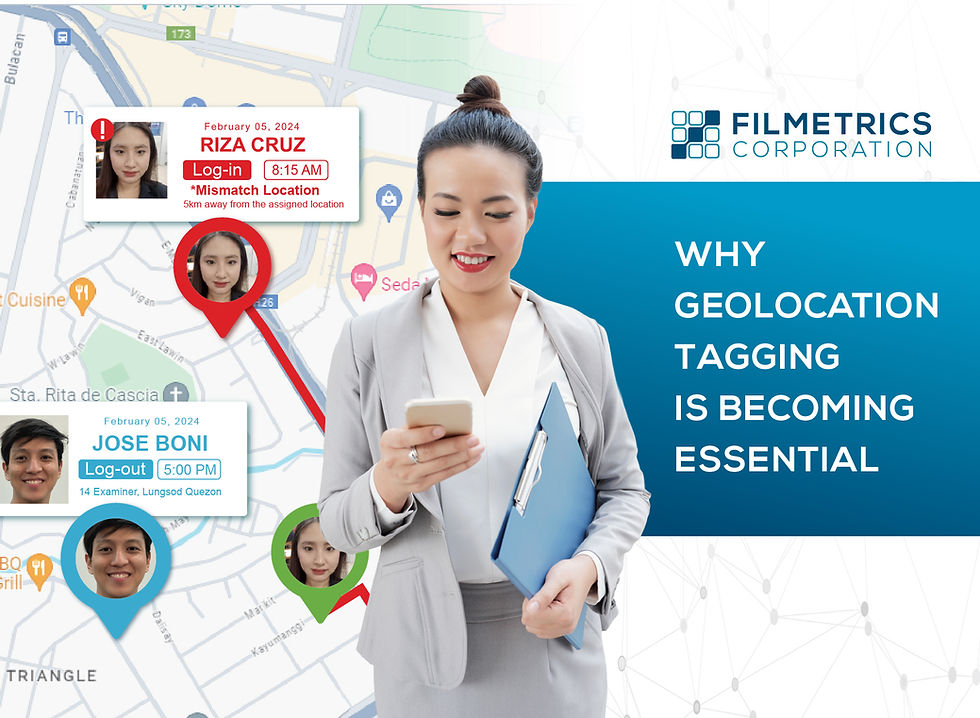
With features such as geolocation tagging, mobile attendance adds location context to time entries, helping SMEs maintain accurate records while supporting flexible work arrangements.
Designed for How SMEs Actually Work
Rather than relying on a single attendance point, mobile systems reflect how modern SMEs operate, across locations, schedules, and connectivity conditions. Automated summaries and digital records also make payroll preparation and attendance review faster and easier, reducing manual work for business owners.
LILO is built around this mobile-first approach, helping businesses manage attendance across different work setups while keeping records organized, accurate, and easy to review.
For SMEs in the Philippines, mobile attendance offers a practical balance of accuracy, flexibility, and simplicity, making it a strong alternative to traditional biometric systems.


Comments